Multiplier Alignments in Portable Gaming Applications and Their Regulatory Compliance Ties
Sam Hoffmann · Sep 8, 2026
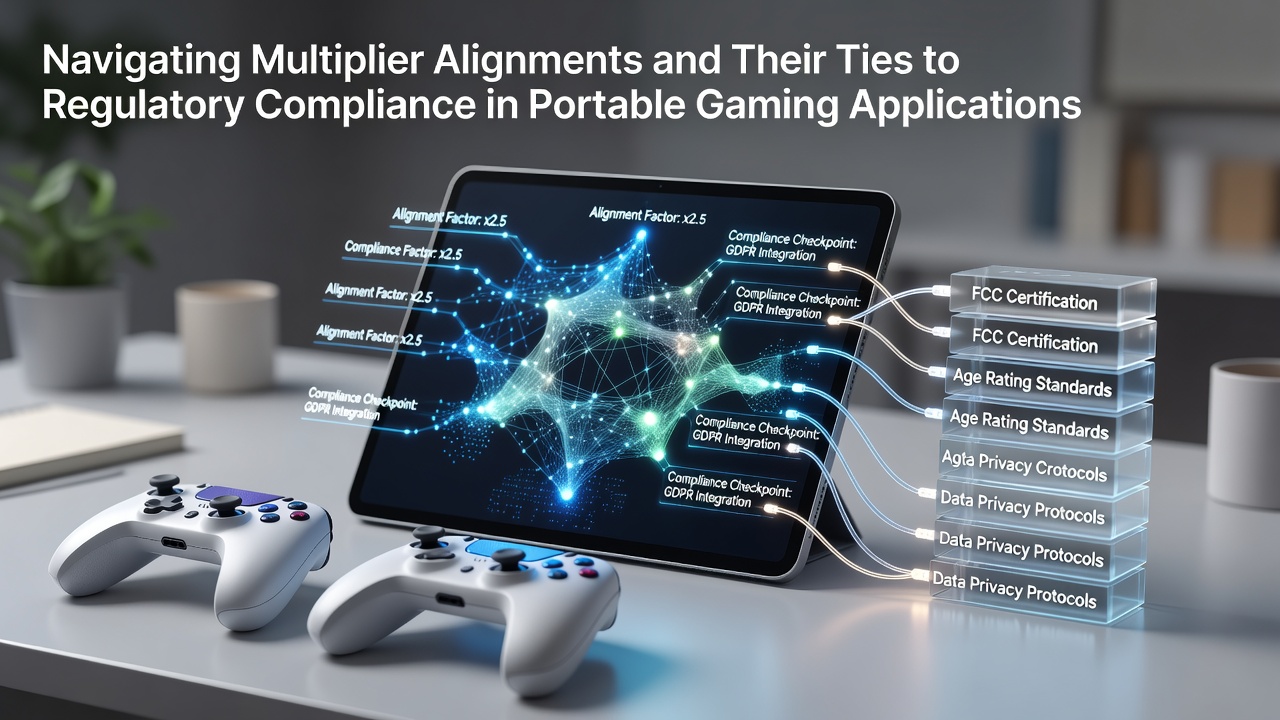
Multiplier Alignments in Portable Gaming Applications and Their Regulatory Compliance Ties
Portable gaming applications rely on multiplier alignments that adjust payout calculations across reels and bonus rounds, while developers must ensure these features meet varying regulatory standards in multiple jurisdictions. Data from industry reports indicate that such alignments often involve algorithmic scaling of base wins, yet they require verification through independent testing labs to confirm adherence to fairness protocols. Researchers at several academic institutions have documented how these mechanics function in real-time environments on smartphones and tablets, where processing constraints can influence alignment precision during live play sessions.
Core Mechanics of Multiplier Alignments
Multiplier alignments operate by synchronizing value boosts with specific symbol combinations or reel positions, and they frequently integrate with cascading or expanding features to alter outcome probabilities. Observers note that in many titles these alignments trigger sequentially, building from modest increments to larger factors, whereas software must log each step for audit trails. Studies conducted by university engineering departments reveal that mobile platforms demand optimized code to prevent latency issues that might disrupt alignment timing, especially when players switch between portrait and landscape modes mid-session.
Those who've examined game certification processes understand that alignment logic undergoes scrutiny for randomness and predictability, and developers commonly employ certified random number generators to underpin the calculations. Evidence suggests alignment sequences must remain consistent across device types, preventing any advantage or disadvantage based on hardware differences. In September 2026 several testing facilities plan expanded reviews of alignment behaviors in updated mobile operating systems, focusing on cross-platform stability.
Regulatory Frameworks Across Regions
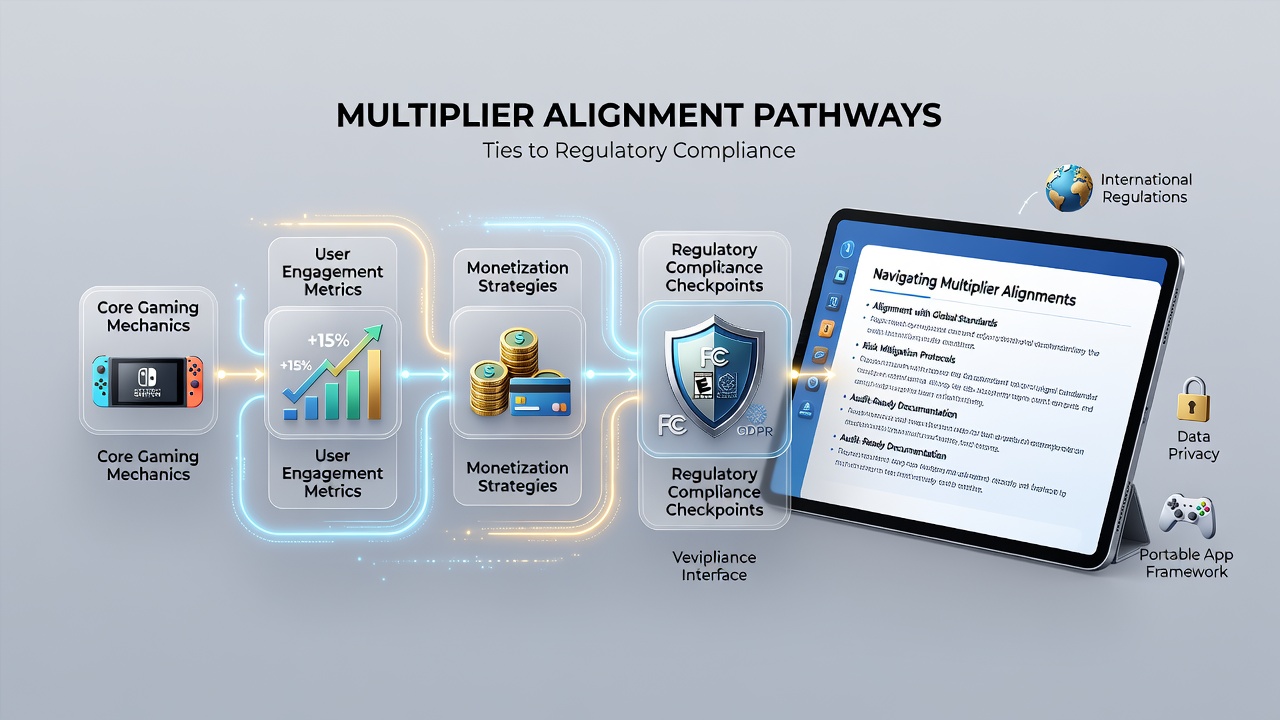
Compliance requirements differ by region, with bodies such as the Nevada Gaming Control Board mandating detailed documentation of multiplier functions before approval for distribution in certain markets. Meanwhile the Malta Gaming Authority applies standards that emphasize transparent disclosure of alignment probabilities within game rules, requiring operators to publish these details for player review. Data shows that Australian state regulators, including those under the New South Wales Independent Liquor and Gaming Authority, evaluate alignment impacts on return-to-player percentages through simulated play sequences.
Portable applications face additional layers because updates to operating systems or app stores can alter how alignments render, prompting periodic re-certification. Experts have observed that alignment ties to responsible gaming tools often include session limits that cap multiplier accumulation, ensuring players encounter controlled exposure rather than unchecked escalation. Figures from industry associations indicate rising demand for compliance software that monitors alignment patterns in real time across global user bases.
Challenges in Mobile Environments
Mobile environments introduce variables such as variable network connectivity and battery optimization modes that can affect alignment execution, and developers address these by incorporating fallback mechanisms that preserve regulatory integrity. Research indicates that misalignment risks increase when games run in background states or during interrupted connections, leading to mandatory error-handling protocols. Those familiar with certification workflows know that labs simulate these conditions to verify consistent behavior, while operators must retain records demonstrating compliance under diverse scenarios.
What's interesting is how alignment features intersect with age-verification systems and geo-fencing tools, since portable devices cross borders easily and trigger jurisdiction-specific rules. Data from research institutions highlight cases where multiplier values required adjustment to meet stricter payout caps in certain territories, and companies often maintain region-specific builds to satisfy these demands without altering core gameplay.
Technical Approaches to Compliance
Developers integrate logging frameworks that capture every multiplier alignment event, allowing regulators to reconstruct sessions during audits, and this practice supports both internal reviews and external inspections. Evidence from trade group publications shows adoption of modular design patterns that isolate alignment code for easier updates when standards evolve. In practice companies conduct pre-launch stress tests on multiple device models to confirm that alignments perform identically, thereby reducing the likelihood of post-release modifications.
Yet alignment adjustments sometimes become necessary after initial approval, particularly when new device models introduce rendering differences, and operators coordinate with labs to validate changes swiftly. Reports from global gaming associations note increased collaboration between developers and regulators on standardized testing suites for mobile-specific alignment behaviors, aiming to streamline approval timelines across borders.
Conclusion
Multiplier alignments in portable gaming applications continue to evolve alongside regulatory expectations, requiring ongoing attention to technical implementation and jurisdictional variations. Organizations that maintain robust documentation and testing regimens position themselves to adapt when standards shift, as projected for September 2026 and beyond. Data from diverse regulatory sources demonstrate that consistent alignment handling supports both player protection measures and market access requirements, while independent verification remains central to sustaining trust in these systems.