Mapping Cluster Dynamics to Session Durability in Regulated Mobile Platforms
Mara Baumann · Aug 15, 2026
Mapping Cluster Dynamics to Session Durability in Regulated Mobile Platforms
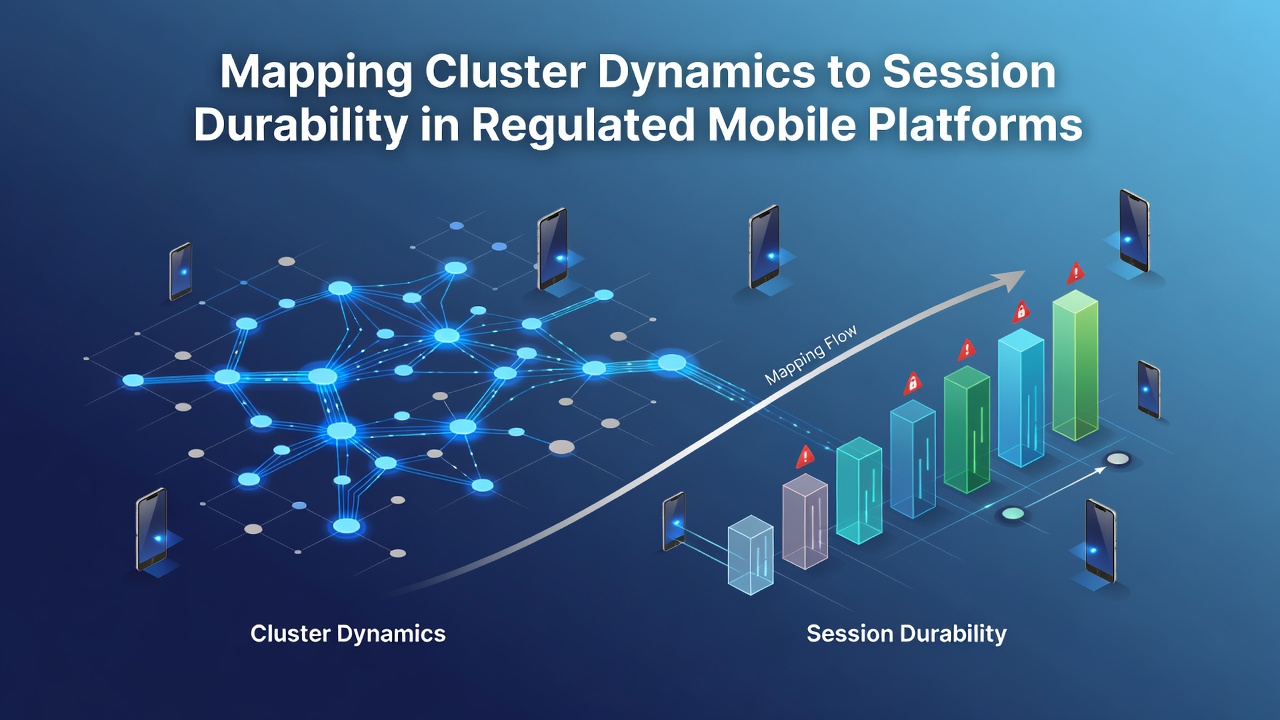
Cluster dynamics in distributed mobile systems involve continuous shifts in node availability, load balancing, and data replication patterns that directly influence how sessions maintain state across devices. Researchers at institutions focused on distributed computing have documented these interactions through longitudinal studies that track node join and leave events alongside session timeout thresholds in environments subject to strict compliance rules.
Core Components of Cluster Behavior
Nodes within a mobile cluster exchange heartbeat signals and state updates at intervals determined by network conditions and regulatory requirements for data integrity, while session durability refers to the capacity of an application to preserve user context despite intermittent connectivity or forced restarts. Data from multiple deployments shows that clusters with higher churn rates experience measurable drops in average session length when replication lags exceed defined thresholds set by oversight bodies.
Observers note that synchronization protocols such as those derived from Raft or Paxos adaptations play a central role, because they determine how quickly a new primary node assumes responsibility after a failure, and this transition time correlates with session recovery success rates in regulated sectors including telecommunications and financial services. Studies conducted through 2025 and into August 2026 indicate that platforms incorporating predictive node failure detection maintain longer session continuity compared with reactive models.
Regulatory Influences on Mapping Practices
Regulations from agencies such as the National Institute of Standards and Technology in the United States and the European Union Agency for Cybersecurity impose requirements on audit logging and data residency that affect how clusters replicate session information across geographic boundaries. These rules shape the algorithms used to map dynamic cluster metrics to durability targets, because any mapping function must incorporate constraints on where and how long session data can persist.
One study revealed that compliance-driven encryption overhead adds latency to state transfers, which in turn requires clusters to adjust replication factors dynamically to meet durability guarantees. Figures from industry reports compiled in mid-2026 show that organizations operating under multiple jurisdictions often deploy hybrid mapping strategies that combine real-time telemetry with historical performance baselines to predict session survival probabilities.
Technical Mapping Techniques
Engineers translate cluster metrics such as node density, partition tolerance levels, and message propagation delays into session durability scores through weighted functions that account for regulatory retention periods. The process typically begins with collection of telemetry streams, followed by statistical modeling that identifies correlations between cluster stability indicators and observed session completion rates.
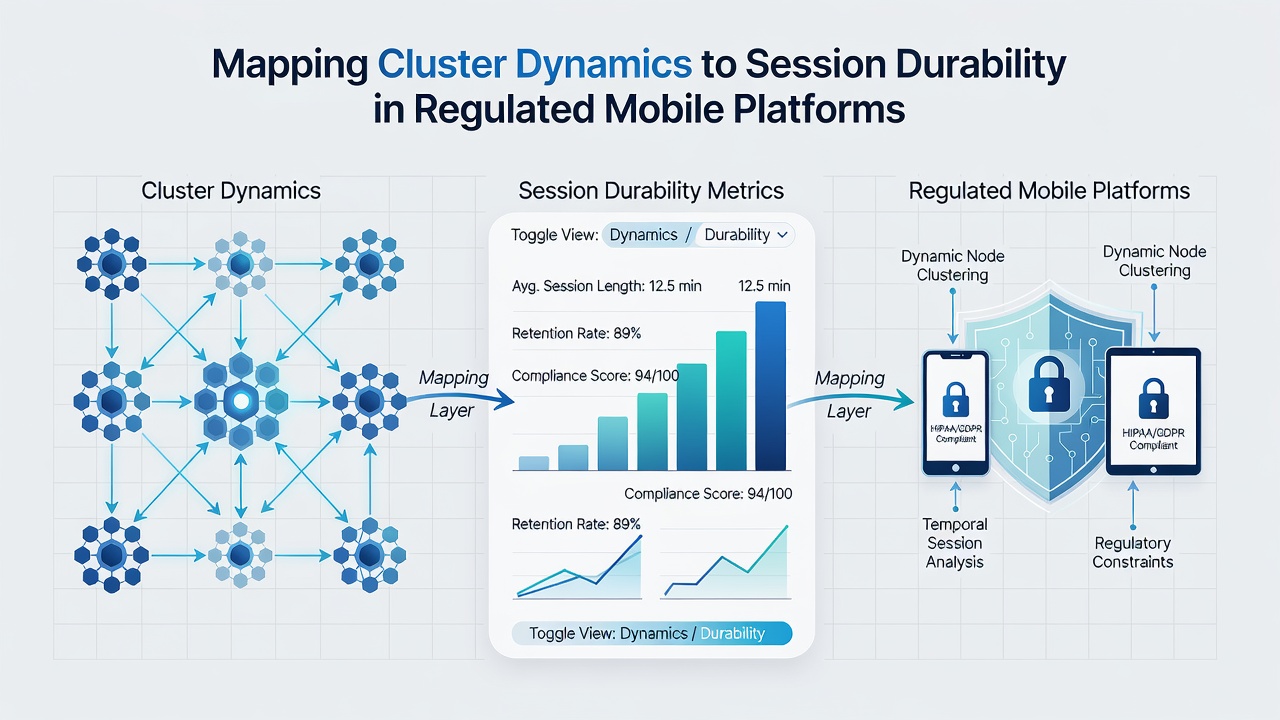
Those who have implemented these mappings report that machine learning models trained on anonymized operational data improve accuracy when forecasting how a given cluster configuration will support sessions under peak load. In August 2026, several large-scale mobile platforms updated their monitoring dashboards to include these predictive scores, allowing operators to preemptively rebalance clusters before durability metrics fall below required thresholds.
Implementation Examples Across Sectors
Healthcare mobile platforms illustrate one application where patient session data must survive network handoffs between cell towers and Wi-Fi while satisfying data protection statutes, and cluster dynamics directly determine whether an ongoing consultation session remains intact. Similar patterns appear in transportation applications that track vehicle telemetry across regulated borders, where node failures during international roaming can truncate sessions unless the mapping accounts for regional compliance differences.
Academic analyses published by university research groups have examined how varying heartbeat frequencies and quorum sizes alter the durability surface, producing graphs that help administrators visualize trade-offs between cluster efficiency and session resilience. These visualizations often incorporate time-series data spanning multiple regulatory update cycles, revealing how policy changes in one jurisdiction ripple through global cluster operations.
Conclusion
Effective mapping of cluster dynamics to session durability requires continuous refinement of models that integrate technical performance data with regulatory constraints, and ongoing deployments through 2026 demonstrate measurable improvements in session continuity when such mappings guide operational decisions. Organizations that maintain detailed telemetry archives and adapt their algorithms to evolving standards continue to report higher rates of successful session recovery across diverse mobile environments.